Neighborhood Guides
Hidden Gems of the Latin Quarter: Beyond the Panthéon
Cross the Seine and step back in time. Discover the winding medieval streets, hidden Roman arenas, and vibrant café culture of the historic Latin Quarter.
In this article
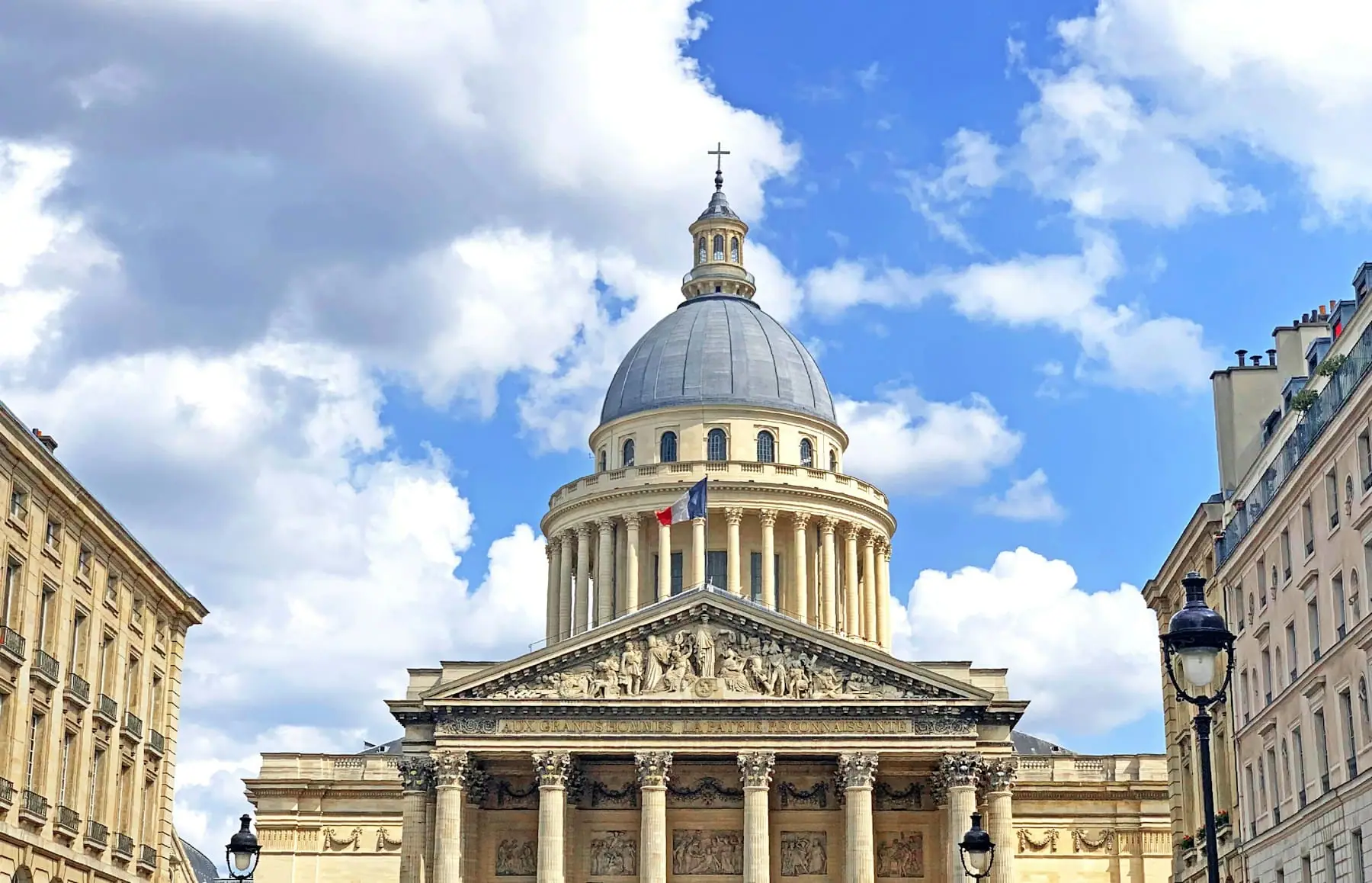
The Latin Quarter (5th arrondissement) is one of the oldest and most beloved neighborhoods in Paris. Named because the university students of the Sorbonne communicated exclusively in Latin during the Middle Ages, the area is famous for its academic history and vibrant intellectual life. But beyond the Panthéon and the bustling Boulevard Saint-Michel lie incredible hidden gems.
1. Arènes de Lutèce: Ancient Rome in Paris
Tucked away behind an unassuming apartment complex on Rue Monge is a literal Roman amphitheater. The Arènes de Lutèce dates back to the 1st century AD when Paris was the Roman city of Lutetia. Once capable of seating 15,000 spectators for gladiatorial combat, today it is a peaceful public park where local children play soccer and older men play pétanque. It’s completely free to enter and offers a surreal contrast between ancient ruins and modern Parisian apartments.
2. Saint-Étienne-du-Mont
Right next to the massive Panthéon sits one of the most stunning, yet overlooked, churches in Paris: Saint-Étienne-du-Mont. Inside, you will find the last remaining rood screen (jubé) in Paris—an intricately carved stone bridge separating the choir from the nave. Film buffs will also recognize the steps outside the church as the very spot where Gil waits for the time-traveling car in Woody Allen’s Midnight in Paris.
3. The Grand Mosque of Paris
Just on the edge of the Latin Quarter lies a piece of Moorish elegance. Built in the 1920s to honor Muslim soldiers who died for France in WWI, the Grande Mosquée de Paris features stunning zellige tilework, peaceful courtyards, and beautiful gardens. Don’t leave without visiting their attached salon de thé (tea room) to enjoy sweet, hot mint tea and traditional North African pastries surrounded by birds and greenery.
4. Rue Mouffetard Market
Ernest Hemingway famously described Rue Mouffetard in A Moveable Feast. Today, the lower half of this ancient, sloped street remains one of Paris’s best open-air market streets. Lined with fromageries (cheese shops), boulangeries, greengrocers, and wine merchants, it’s the perfect place to assemble a high-quality, authentic Parisian picnic before heading over to the nearby Jardin des Plantes.
"The Latin Quarter is a village within the city. It’s where Paris keeps its brain, its youth, and its deepest history." — Local Guide Insight
Frequently asked questions
Why is it called the Latin Quarter?
It earned its name in the Middle Ages because students at the Sorbonne university were required to speak Latin, even outside of class.
Explore it in person
Tours for this part of Paris
Small-group and private tours with licensed local guides.

Paris Guided Tour of the Grand Mosque and Secret Gardens
Experience the best of the Grand Mosque of Paris on a guided tour with a local expert. Walk through stunning Moorish gardens, discover the…

Latin quarter walking tour
At Elysiago, we believe travel should be more than just sightseeing—it should be a journey through culture, history, and authentic human connection…

The Streets of Protest Walking Tour
Ever wondered what’s really going on, and why Parisians keep taking to the streets? Who are the peaceful marchers, and who are the people breaking…
The Journal
Keep reading
Neighborhood Guides
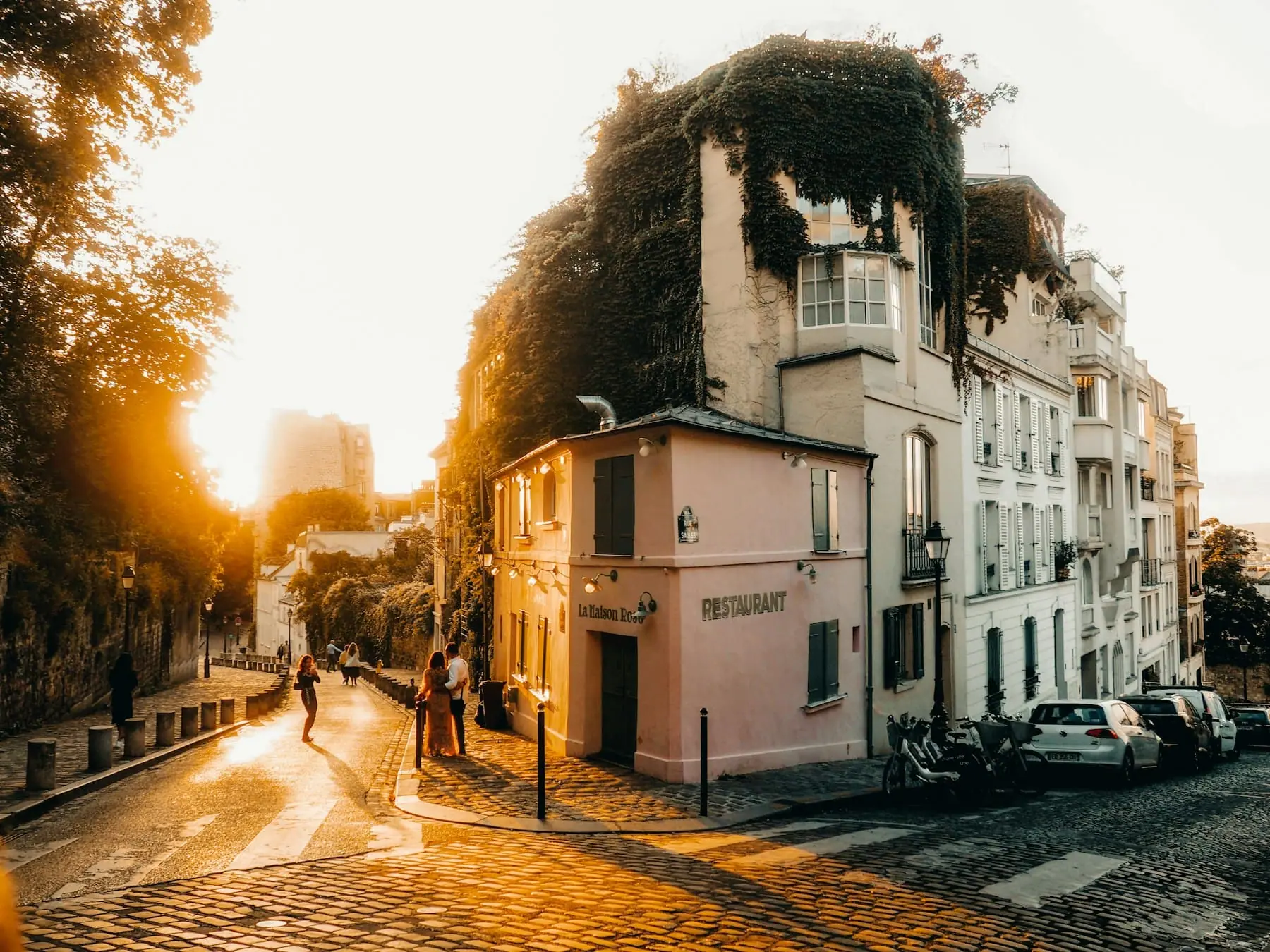
The Ultimate Guide to Montmartre: Art, Cafes, and Secret Spots
Escape the tourist traps and discover the authentic bohemian soul of Montmartre. From hidden vineyards to historic artist studios, here is your ultimate local guide.
Paris Guides
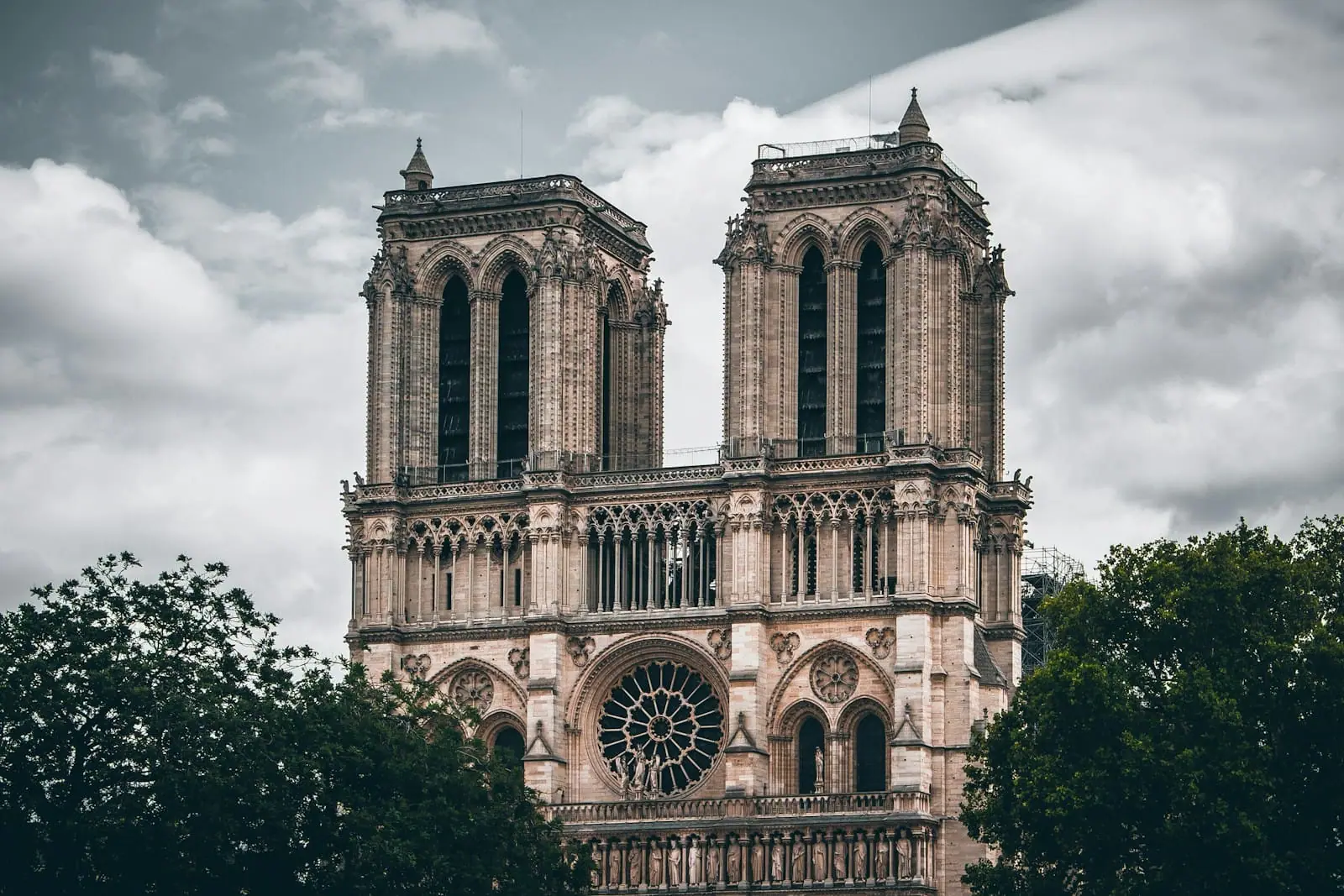
How to Visit Notre-Dame de Paris in 2026: Free Entry, Booking and Towers
Notre-Dame is free to visit. How to book a free time slot, when to go, how to climb the towers and what not to miss inside the cathedral.
Paris Guides
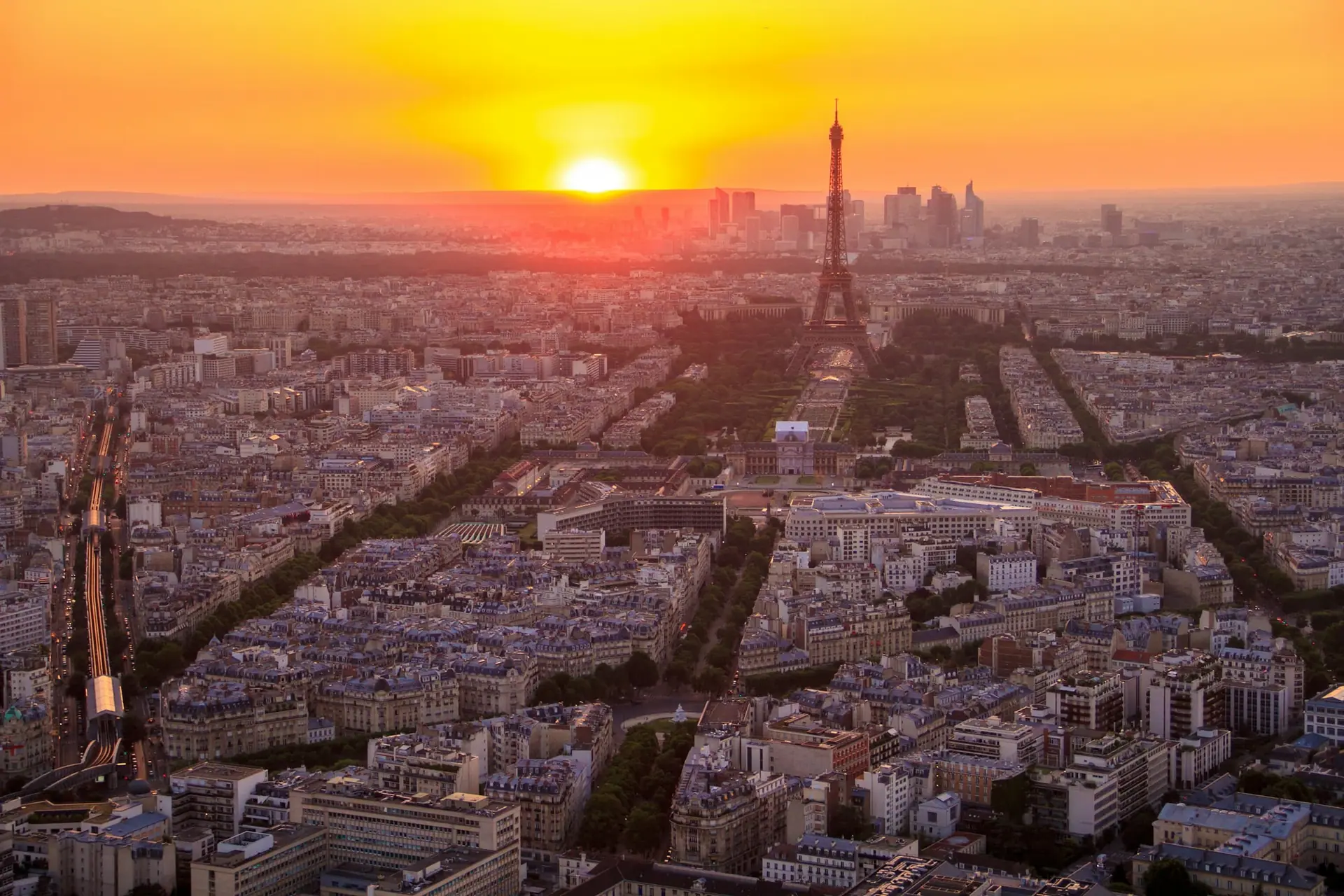
One Day in Paris: The Perfect Itinerary for a First Visit
How to see the best of Paris in a single day: Notre-Dame and the Île de la Cité, the Louvre, the Seine, the Eiffel Tower and Montmartre, hour by hour.