The Ultimate Guide to Montmartre: Art, Cafes, and Secret Spots
Escape the tourist traps and discover the authentic bohemian soul of Montmartre. From hidden vineyards to historic artist studios, here is your ultimate local guide.
ElysiaGo Local Guide Team
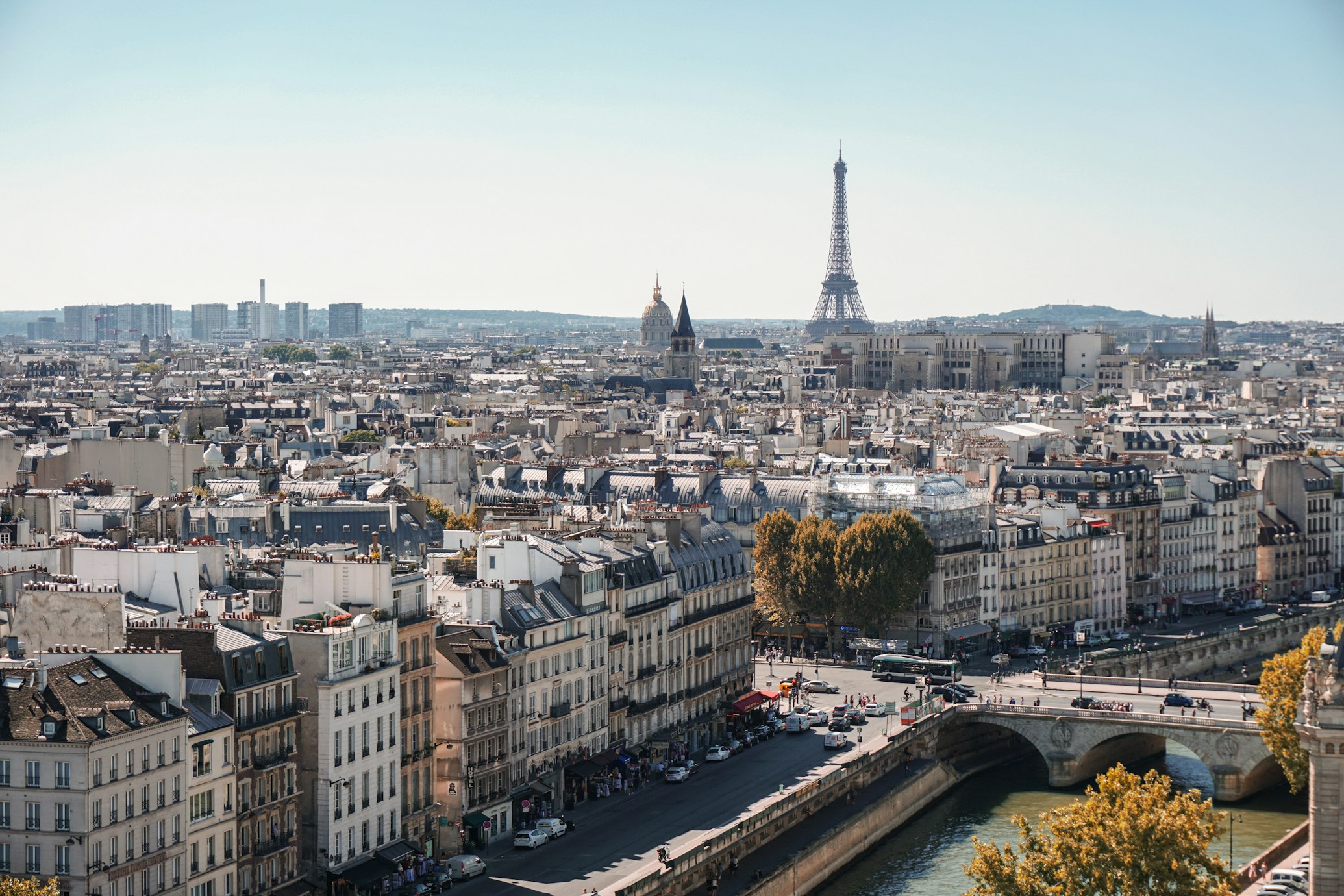
Montmartre is an anomaly in Paris. Even after being absorbed into the city in the 19th century, this hilltop neighborhood has stubbornly retained its village atmosphere, its steep winding cobblestone streets, and its rebellious, artistic soul. While most tourists climb the steps to the Sacré-Cœur and immediately turn back, they are missing the true essence of the 18th arrondissement.
The Artistic Heritage
At the turn of the 20th century, Montmartre was the epicenter of global art. Rents were cheap, the wine flowed freely, and the light was perfect. Picasso, Renoir, Van Gogh, and Toulouse-Lautrec all called these streets home.
To feel this history, avoid the crowded Place du Tertre (where modern portraitists gather) and instead visit the Musée de Montmartre. Housed in the oldest building in the neighborhood—where Renoir once painted—it offers a quiet, profound look into the area's bohemian past. Don't miss the beautiful Renoir Gardens attached to the museum, which offer sweeping views over the Clos Montmartre.
The Secret Vineyard of Paris
Yes, Paris still produces wine! Tucked away on a steep slope behind the museum is the Clos Montmartre, the last functioning vineyard in central Paris. Planted in the 1930s to prevent real estate developers from claiming the land, it produces about 1,500 bottles a year. If you visit in October, you might catch the Fête des Vendanges, a vibrant local festival celebrating the harvest.
Iconic Cafés and Cinema History
For film lovers, Montmartre is synonymous with Amélie Poulain. You can still visit the Café des Deux Moulins on Rue Lepic. While it has become a tourist hotspot, grabbing a crème brûlée here is a must-do for fans. Further up the hill, look for Le Consulat and La Maison Rose—two incredibly photogenic cafes that have served struggling artists for over a century.
Local Guide Tip: Escaping the Crowds
Instead of taking the funicular or the main stairs up to Sacré-Cœur, take the Metro to Lamarck-Caulaincourt (Line 12). From there, wind your way up the back of the hill through peaceful, tree-lined residential streets like Avenue Junot. You'll see the wealthy, quiet side of Montmartre before reaching the bustling summit.
Conclusion
Montmartre rewards the curious. Put away Google Maps for an hour, wander down staircases that look like they lead nowhere, and you'll discover the bohemian heart of Paris that still beats strongly today.
Frequently Asked Questions
How do I get to Montmartre?
Is Montmartre safe at night?

ElysiaGo Local Guides
We are a team of certified, passionate Parisian locals dedicated to showing you our city beyond the mass tourism trails.