Travel Tips
Why You Must Hire a Licensed Guide for Your Paris Tour
Not all tour guides are created equal. Discover why booking a Paris tour with a licensed guide is crucial for quality, historical accuracy, and skipping the massive museum lines.
In this article
The Wild West of Tourism
With the explosion of booking platforms, anyone with a smartphone and a Wikipedia app can claim to be a "tour guide." While enthusiastic amateurs can offer fun local walks, when it comes to the deep history, art, and culture of France, you need an expert. Booking a Paris tour with a licensed guide (Guide-Conférencier) is the only way to guarantee a premium, accurate, and legally protected experience.
What is a "Guide-Conférencier"?
In France, the title of Guide-Conférencier is strictly regulated by the government. To obtain this professional license, a guide must complete a rigorous university degree (usually a Master's) in art history, archaeology, or foreign languages. They must pass comprehensive exams proving their encyclopedic knowledge of French heritage.
When you hire a licensed guide, you are hiring a credentialed historian, art expert, and professional storyteller.
The 3 Major Advantages of a Licensed Guide
1. Exclusive Museum Access
This is the most critical benefit: Only licensed guides are legally permitted to guide inside French national monuments and museums. If you hire an unlicensed guide for the Louvre or Versailles, they are legally required to leave you at the entrance. Licensed guides, however, not only guide you inside but also have the authority to use the priority "professional" queues, bypassing the massive crowds.
2. Absolute Historical Accuracy
The history of Paris is complex and nuanced. An unlicensed guide might rely on urban legends or simplified myths. A licensed guide provides historically accurate context, debunking myths and offering deep insights into the architecture, art, and socio-political history of the city.
3. Professional Excellence
Licensed guides are trained in group dynamics, voice projection, and adapting their extensive knowledge to their audience—whether that’s a group of art historians or a family with children. They know how to read the room and tailor the experience.
How to Identify a Licensed Guide
A true Guide-Conférencier will always carry their official professional badge—a laminated photo ID issued by the French Ministry of Culture and Tourism. At ElysiaGo, we exclusively employ licensed guides for all our cultural and historical tours, ensuring our guests receive the highest standard of excellence available in Paris.
Frequently asked questions
Can an unlicensed guide take me inside the Louvre?
No. By French law, only official Guide-Conférenciers are allowed to conduct guided tours inside national museums and monuments like the Louvre, Versailles, and Musée d'Orsay.
Do licensed guides speak English?
Yes, part of the licensing requirement involves proving high-level proficiency in foreign languages. Our guides speak fluent, excellent English.
Are tours with licensed guides more expensive?
While they may cost slightly more than amateur tours, the value is incomparable. You are paying for university-level expertise, guaranteed priority access, and professional reliability.
Explore it in person
Tours for this part of Paris
Small-group and private tours with licensed local guides.
 Max 6 guests
Louvre Museum Mona Lisa & Highlights Guided Tour
Choose your experience: Classic small-group, Premium semi-private (max 5), or Exclusive private tour. This ticket is our Classic option with a…
 Skip-the-line
Palace of Versailles: Guided Tour with Skip-the-Line Entry
Skip the queues and explore the Palace of Versailles with a Certified Guide. Discover the Hall of Mirrors, Royal Apartments, and magnificent gardens…

Inside Notre-Dame Tour with a Licensed Guide
Go beyond the facade. With an expert guide and skip-the-line access, explore Notre-Dame de Paris from the inside — its soaring nave, sacred relics…
The Journal
Keep reading
Travel Tips
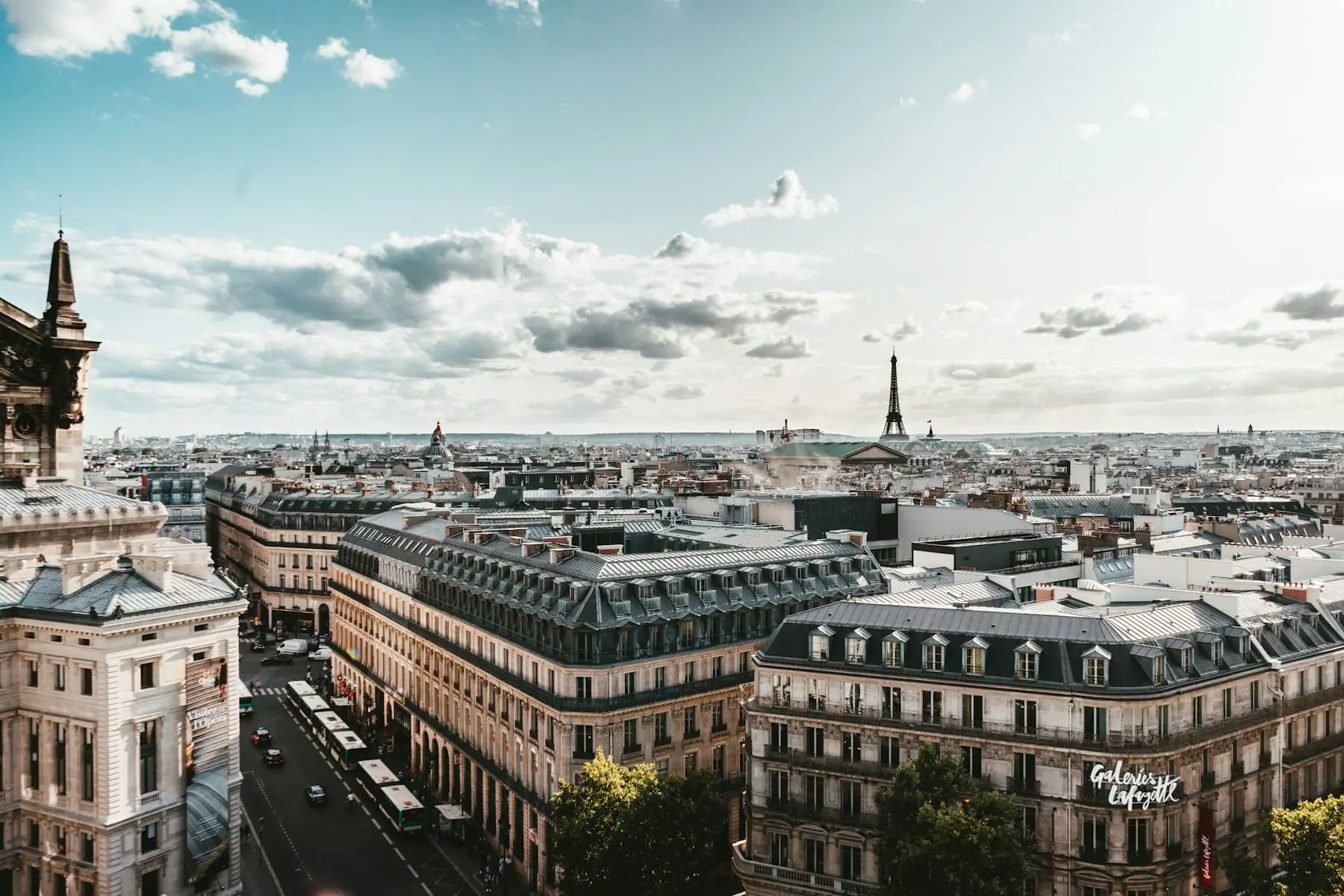
First Time in Paris: A Perfect 3-Day Itinerary
Planning your first trip to Paris? This perfectly paced 3-day itinerary covers all the must-see monuments, best neighborhoods, and local dining secrets.
Travel Tips
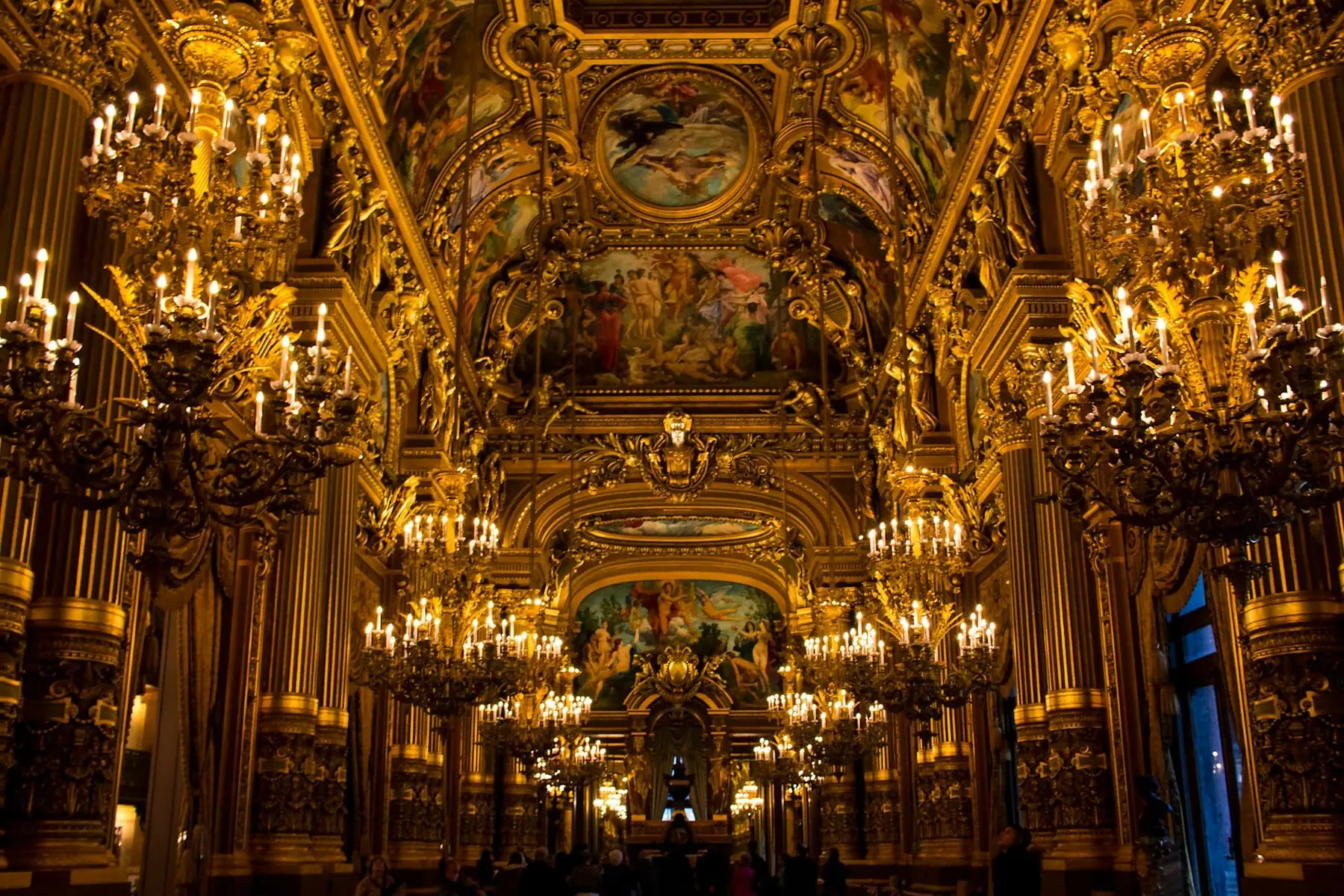
Why a Private Guided Tour in Paris is the Ultimate Luxury
Make your trip to the City of Light truly unforgettable. Discover the exclusive benefits of booking a private guided tour in Paris, from tailored itineraries to VIP museum access.
Paris Guides
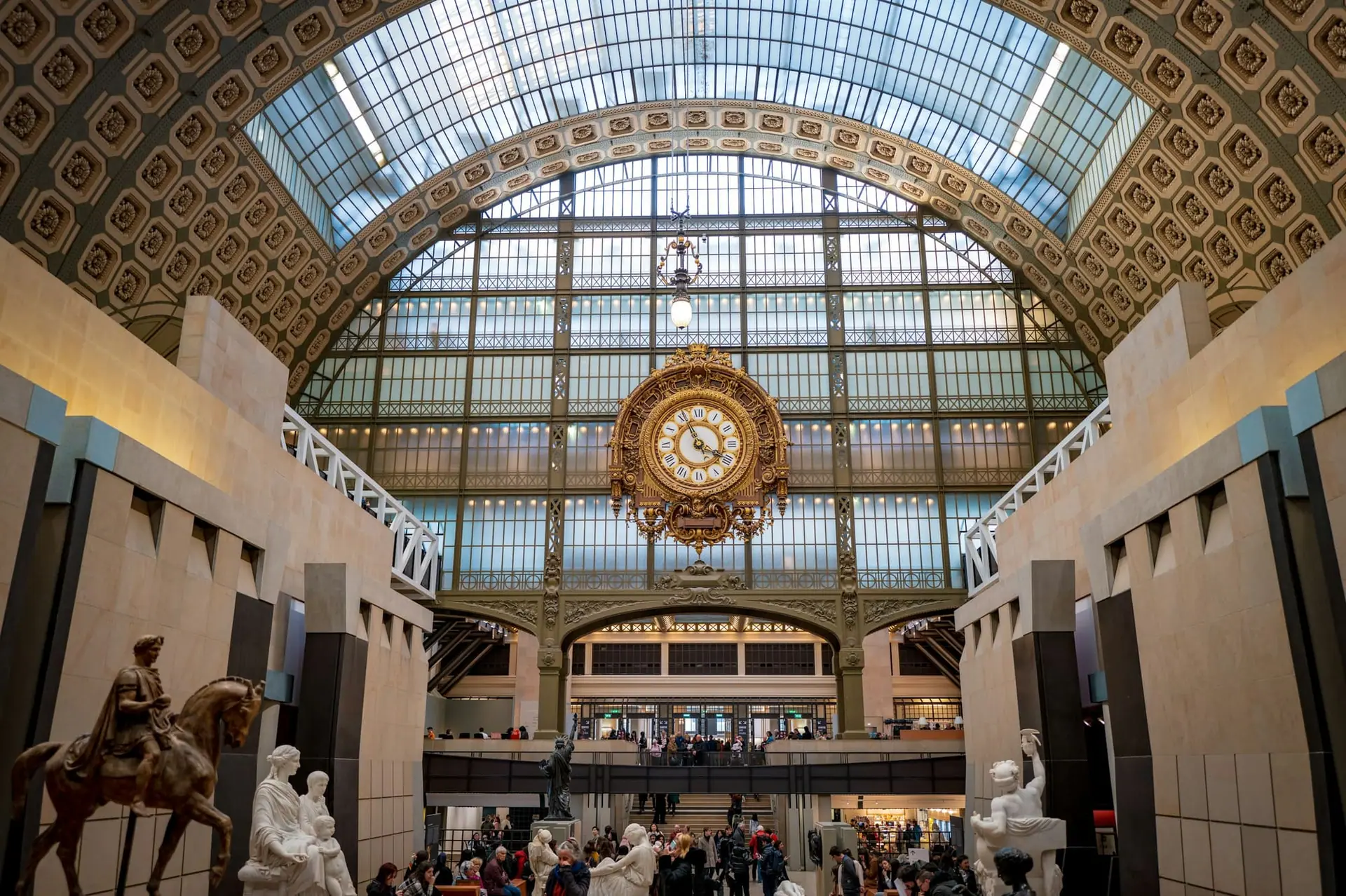
Musée d'Orsay Guide: 10 Masterpieces and Tips for Your Visit
The Impressionist masterpieces you should not miss at the Musée d'Orsay, the story of the old railway station, the best time to go and how to plan your visit.