Paris Guides
Napoleon's Tomb and Les Invalides: The Complete Visitor's Guide
Napoleon's tomb under the golden dome, the highlights of the Army Museum, how tickets work and how long to allow for a visit to Les Invalides in Paris.

In this article
Its golden dome shines above the rooftops of the Left Bank: Les Invalides is one of the great landmarks of Paris, and the resting place of Napoleon Bonaparte. Behind its long classical façade you will find a royal foundation for old soldiers, a church, one of the largest military museums in the world and, under the dome, the emperor's monumental tomb. Here is how to visit.
Louis XIV's home for wounded soldiers
In 1670, Louis XIV decided to build a home for the wounded and aged soldiers of his armies, who until then often ended their lives begging in the streets. The Hôtel des Invalides, designed by Libéral Bruant, welcomed its first residents a few years later: a city within the city, with its dormitories, workshops, infirmary and church. It still cares for war veterans today.
The Dôme church, crowned by Jules Hardouin-Mansart's gilded dome, was completed in 1706 as a royal chapel. The dome has been regilded several times, most recently for the bicentenary of the Revolution in 1989.
Napoleon's tomb under the dome
Napoleon died in exile on the island of Saint Helena in 1821. Twenty years later, King Louis-Philippe had his remains brought back to Paris: in December 1840, a huge crowd watched the funeral procession reach Les Invalides. The tomb itself, designed by Louis Visconti, was only completed in 1861.
You look down on it from a circular balustrade: a massive sarcophagus of red quartzite on a base of green granite, set in an open crypt. Twelve colossal Victories by the sculptor James Pradier stand guard around it, and reliefs on the gallery walls celebrate the achievements of his reign, from the Civil Code to the great public works.
Around the dome rest other great names of French military history: Napoleon's brothers Joseph and Jérôme, his son the King of Rome, Marshal Turenne, the heart of Vauban, and Marshal Foch, commander of the Allied armies in 1918.

The highlights of the Army Museum
- Arms and armour: one of the richest collections in the world, from medieval knights to the parade armour of the kings of France.
- From Louis XIV to Napoleon III: uniforms, flags and personal belongings of Napoleon, including one of his famous bicorne hats and his grey overcoat.
- The two world wars: moving galleries on 1914 to 1918 and 1939 to 1945, from the trenches to the Liberation.
- The Musée des Plans-Reliefs: giant scale models of fortified towns, made for the kings to plan their defences.
Do not miss the cour d'honneur, the great arcaded courtyard lined with cannons, and the Cathedral of Saint-Louis des Invalides, the soldiers' church, hung with flags captured in battle.
Tickets and how long to allow
One ticket covers the Army Museum and the Dôme with Napoleon's tomb; it can be booked online on the museum's official website. Visitors under 18, and residents of the European Union under 26, get in free. Opening hours and prices change during the year, so check before you go.
Allow about an hour for the tomb and the courtyard, and half a day if you want to explore the museum's galleries properly.
A one-hour visit plan
- Enter by the Esplanade and cross the cour d'honneur, with its cannons and the statue of Napoleon looking down from the far end.
- Step into Saint-Louis des Invalides, the soldiers' church, and its rows of captured flags.
- Walk round to the Dôme and spend time at the balustrade above Napoleon's tomb, then go down to the crypt gallery.
- Finish with the Napoleon rooms of the Army Museum, to see the emperor's hat, coat and campaign objects.
How to get to Les Invalides
- Metro: La Tour-Maubourg (line 8) and Varenne (line 13) are closest to the museum; Invalides (lines 8 and 13) is at the end of the Esplanade.
- RER C: Invalides station, then a short walk across the Esplanade.
- On foot: about twenty minutes from the Eiffel Tower, or ten from the Musée d'Orsay along the Seine.
With children, the knights' armour and the cannons of the courtyard are usually a hit, and the museum offers family trails: ask at the entrance.
Les Invalides and the French Revolution
On the morning of 14 July 1789, a crowd stormed Les Invalides and seized tens of thousands of muskets and several cannons. Armed, it marched east to the Bastille, where it hoped to find gunpowder. Follow the rest of the story in our guide to the French Revolution sites in Paris.
What to see nearby
The Esplanade des Invalides leads north to the Pont Alexandre III, the most ornate bridge in Paris, and the Grand Palais beyond. Next door, the Rodin Museum and its sculpture garden make a peaceful pause, and the Eiffel Tower is about twenty minutes' walk away. For more royal and imperial history, plan a day at Versailles with our guide to visiting Versailles from Paris.
Frequently asked questions
Where is Napoleon buried in Paris?
Napoleon is buried at Les Invalides, under the golden dome of the Dôme church, in a red quartzite sarcophagus placed in an open crypt.
Can you visit Napoleon's tomb without the Army Museum?
The same ticket covers both, but you are free to see only the tomb. It takes about half an hour, plus a walk around the courtyard.
How long do you need at Les Invalides?
About an hour for Napoleon's tomb and the courtyard, and half a day to explore the Army Museum's galleries.
Is Les Invalides worth visiting?
Yes. Napoleon's tomb is one of the most impressive monuments in Paris, and the Army Museum is among the finest military museums in the world.
Why is it called Les Invalides?
Louis XIV founded it in 1670 as a home for invalid soldiers, wounded or too old to serve. It still cares for war veterans today.
Explore it in person
Tours for this part of Paris
Small-group and private tours with licensed local guides.
 Skip-the-line
Palace of Versailles: Guided Tour with Skip-the-Line Entry
Skip the queues and explore the Palace of Versailles with a Certified Guide. Discover the Hall of Mirrors, Royal Apartments, and magnificent gardens…
 Skip-the-line
Paris Invalides and Napoleon Tomb Private Skip the Line Tour
Skip the lines and explore the Hôtel des Invalides with your own private, licensed guide. Discover Napoleon's monumental tomb beneath the golden…
 Summit access
Eiffel Tower Guided Tour to Summit
Discover Paris from one of the world’s most iconic landmarks with a guided Eiffel Tower experience designed for small groups. With entry tickets…
The Journal
Keep reading
Paris Guides
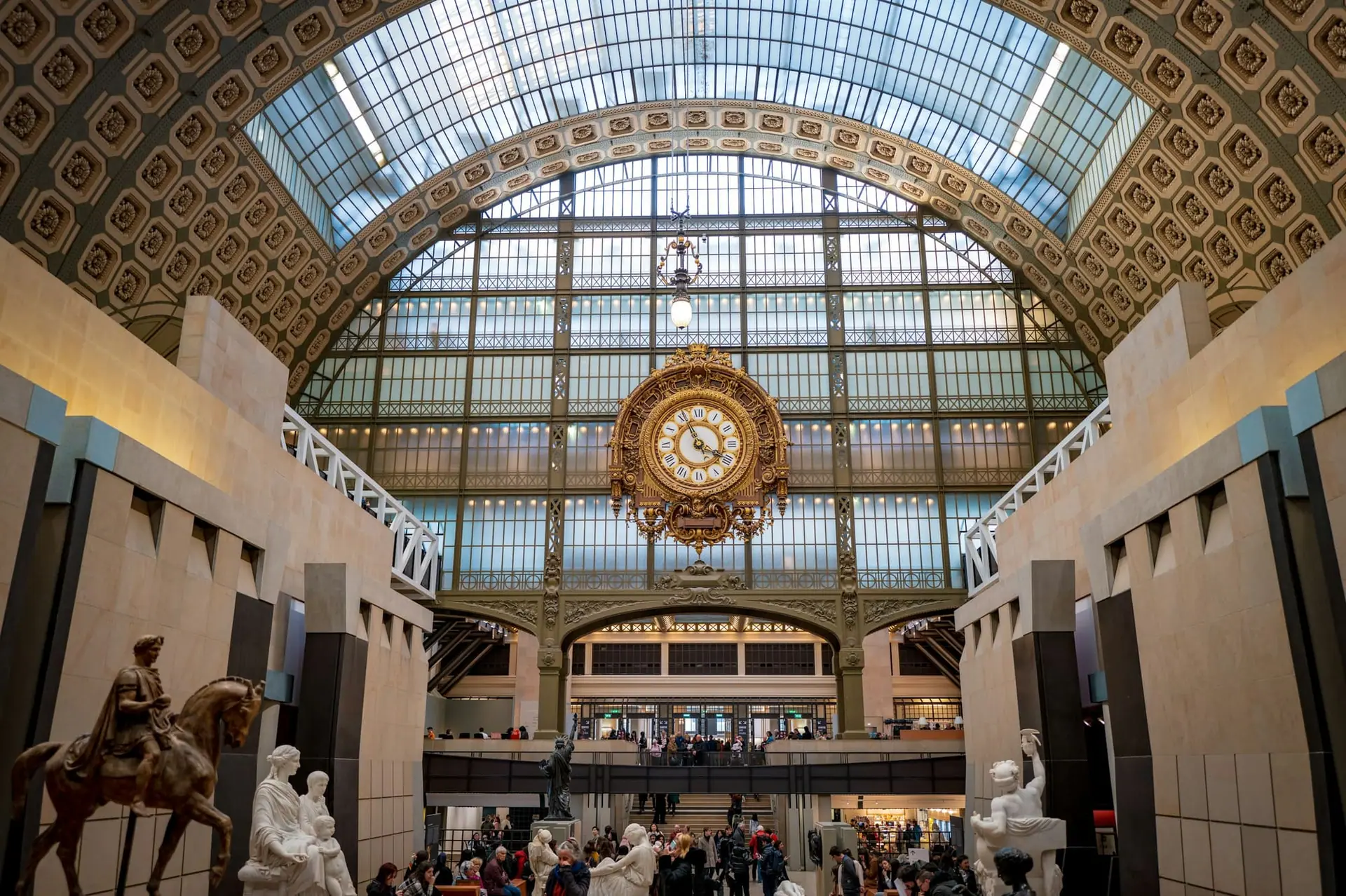
Musée d'Orsay Guide: 10 Masterpieces and Tips for Your Visit
The Impressionist masterpieces you should not miss at the Musée d'Orsay, the story of the old railway station, the best time to go and how to plan your visit.
Paris Guides
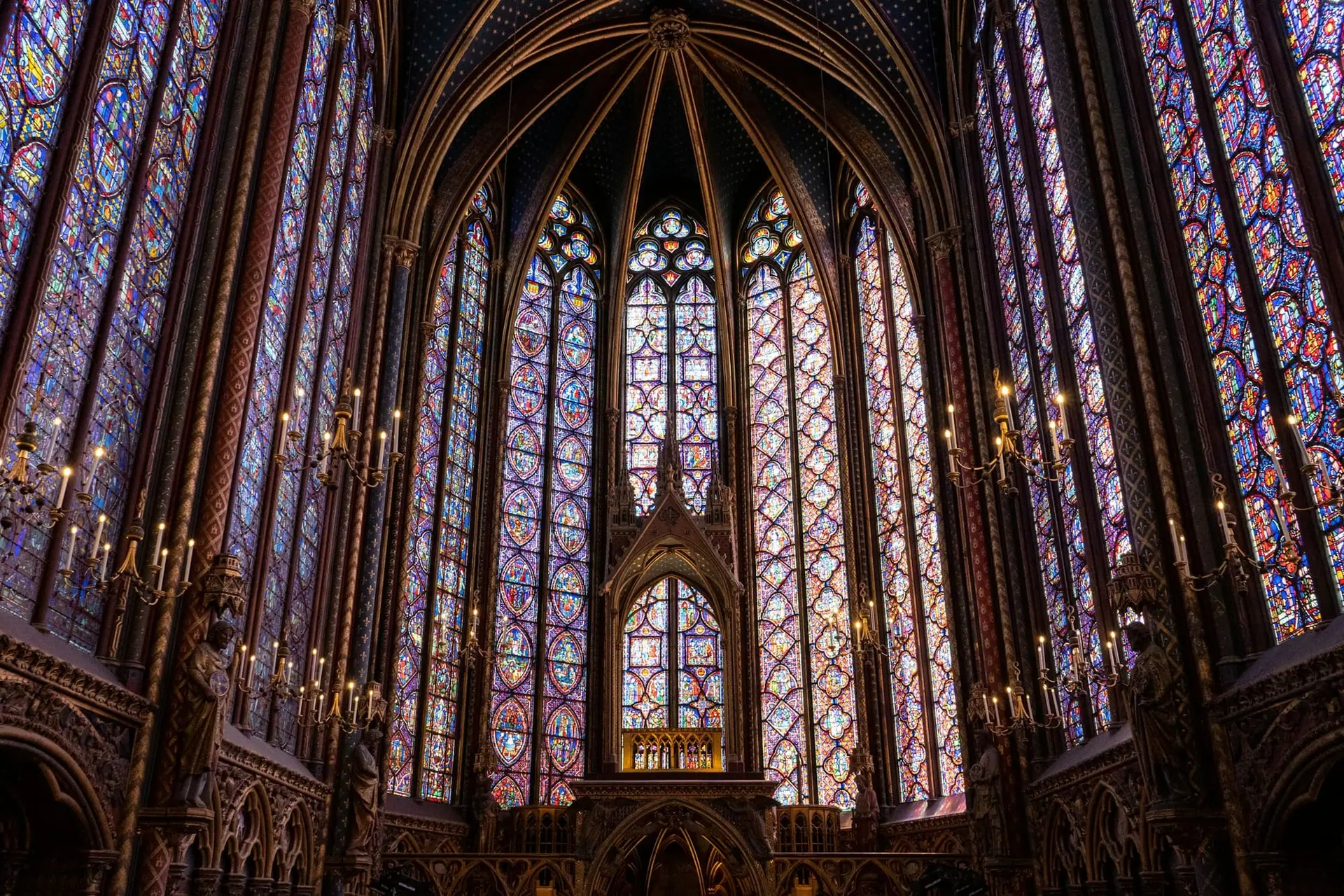
Sainte-Chapelle, Paris: How to Visit the Jewel of Gothic Stained Glass
How to book the Sainte-Chapelle, the best time for the light, how to read its 15 stained-glass windows and what to see nearby on the Île de la Cité.
Paris Guides
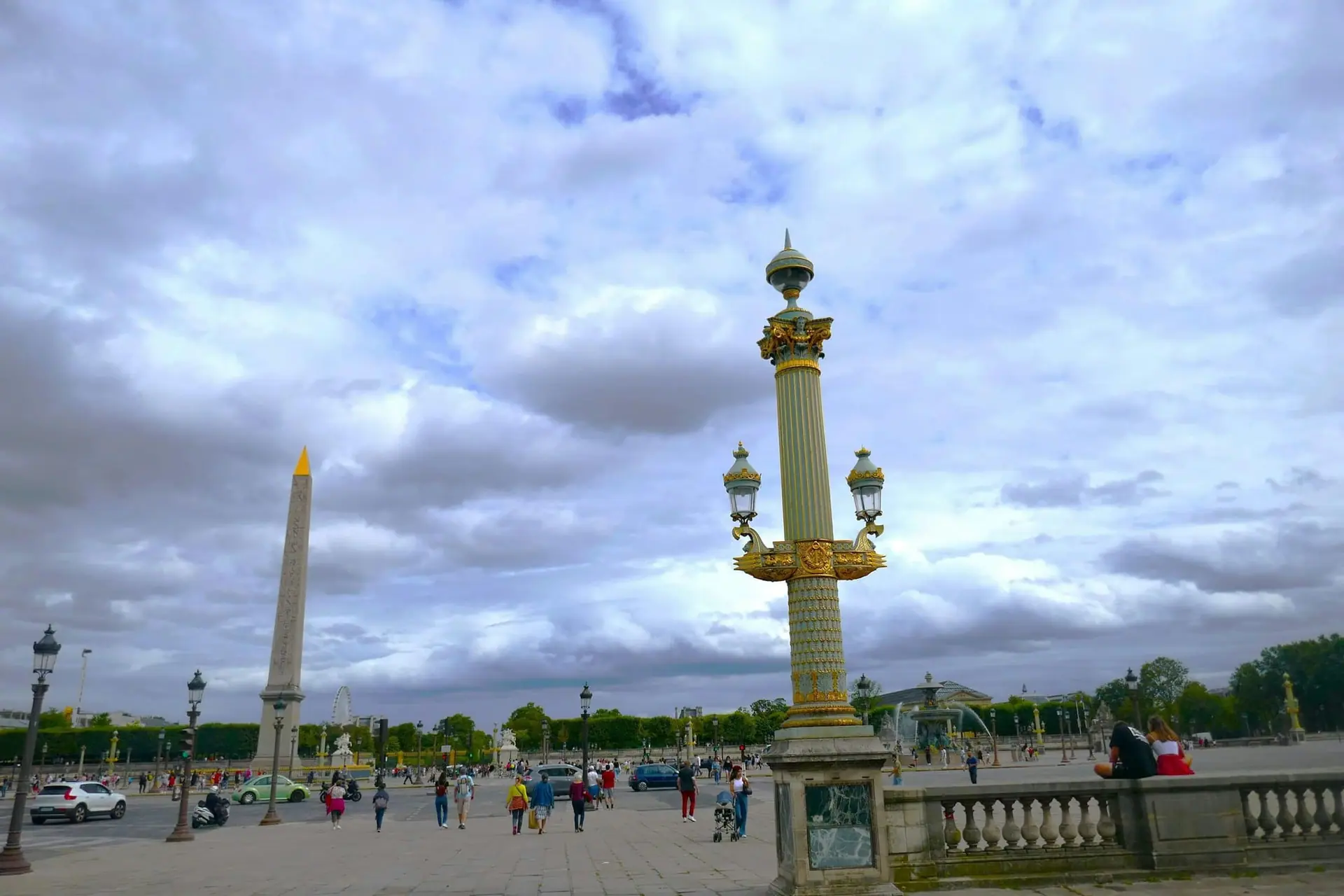
French Revolution Sites in Paris: Where History Happened
From the Bastille to the Place de la Concorde: the places in Paris where the French Revolution happened, what you can still see today and a route to follow them.